
Blog
Top Tips for Preparing Your Home for Exterior Painting in Somerville
Proper exterior painting preparation in Somerville is the cornerstone of a beautiful, long-lasting finish for your home. Neglecting crucial steps like cleaning, repairing, and priming can lead to premature peeling, cracking, and a significantly reduced lifespan for your paint job. Taking the time to prepare thoroughly ensures that your investment in exterior painting delivers maximum curb appeal and protection against New England weather.
This guide walks you through the essential steps for preparing your home’s exterior for painting, highlighting why each stage is critical for achieving professional results. If you’re ready to transform your home with a fresh coat of paint, our team of licensed and insured experts is here to help.
Why Thorough Exterior Painting Preparation in Somerville Matters
The appearance and durability of your exterior paint depend heavily on the quality of the surface preparation. In Somerville, where homes often face harsh winters and humid summers, a well-prepped surface means the paint will adhere better, resist environmental damage, and maintain its aesthetic appeal for years. Without proper preparation, even the highest quality paint can fail quickly, leading to wasted time and resources.
Think of it like building a house: a strong foundation is essential for a stable structure. Similarly, a clean, smooth, and repaired surface is the foundation for a durable paint job. Professional painters understand that skipping preparation steps might save a little time upfront, but it almost always results in a significantly shorter paint lifespan and the need for costly repaints much sooner.

Essential Steps for Preparing Your Home’s Exterior
A comprehensive preparation process involves several key stages, each designed to create the optimal surface for new paint.
1. Inspect and Repair
Before any cleaning begins, perform a thorough inspection of your home’s exterior. Look for any damaged siding, loose trim, rotten wood, or cracks in stucco or masonry. These issues must be addressed before painting. Replace rotten wood, repair cracks with appropriate fillers or sealants, and secure any loose elements. This step is critical not only for a smooth paint finish but also for protecting your home from moisture intrusion and pests. Addressing these structural concerns now will prevent bigger problems down the line.
2. Clean the Surface Thoroughly
Dirt, grime, mildew, and loose paint are enemies of new paint adhesion. Power washing is often the most efficient way to clean large exterior surfaces, removing years of accumulated debris. For stubborn mildew or algae, a cleaning solution specifically designed for exterior use can be applied before rinsing. Ensure all surfaces are completely dry before proceeding to the next step, which typically takes a minimum of 24-48 hours depending on weather conditions.
- Mildew Removal: Use a bleach-and-water solution (1 part bleach to 3 parts water) or a commercial mildew cleaner.
- Pressure Washing: Use caution to avoid damaging siding or forcing water into cracks. A lower pressure setting is often sufficient.
3. Scrape and Sand Loose Paint
Any peeling, bubbling, or flaking paint must be removed. Use scrapers, wire brushes, and sandpaper to smooth out rough edges and create a uniform surface. Feather the edges of existing paint to prevent visible lines under the new coat. This step is labor-intensive but vital for paint adhesion and preventing future peeling. For more insights on this, read our post on how to stop peeling paint on your New England home’s exterior.

Caulking, Priming, and Protecting Your Property
4. Caulk and Fill Gaps
After cleaning and repairs, apply high-quality exterior caulk to seal any gaps or cracks around windows, doors, trim, and siding joints. This prevents moisture intrusion, improves energy efficiency, and provides a smooth, finished look. Use a paintable caulk that can withstand temperature fluctuations without cracking. Filling small holes and imperfections with exterior wood filler or putty will also contribute to a flawless finish.
5. Apply Primer
Priming is often a non-negotiable step, especially when painting new, bare, or repaired surfaces, or when changing paint colors dramatically. Primer helps the topcoat adhere better, provides a uniform base, seals porous materials, and can block stains. Choose an exterior primer that is compatible with both your existing surface and your chosen topcoat paint. For instance, an oil-based primer is excellent for stain-blocking, while a latex primer offers flexibility and quick drying times.
- New Wood: Always prime new wood to seal it and prevent tannin bleed-through.
- Significant Color Change: Primer ensures true color representation and reduces the number of topcoats needed.
- Chalky Surfaces: A bonding primer can help new paint adhere to previously chalky surfaces.
6. Mask and Protect
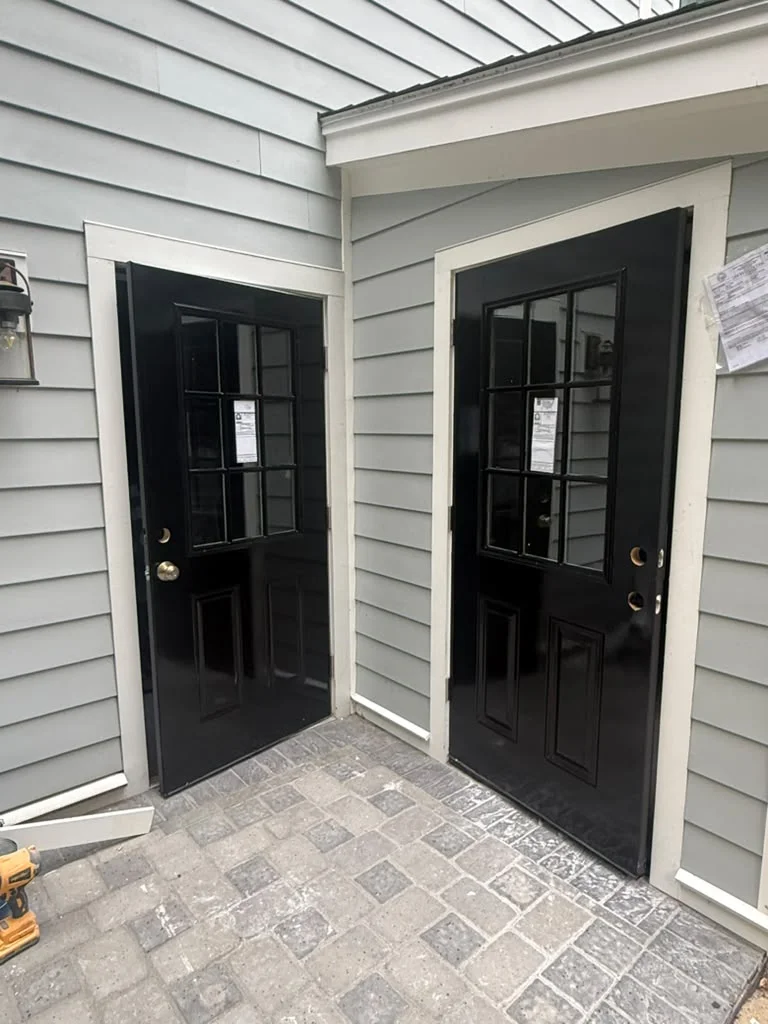
Before opening a single can of paint, protect all areas you don’t want painted. Use painter’s tape to mask off windows, doors, light fixtures, and any other trim. Lay down drop cloths or plastic sheeting to cover plants, landscaping, walkways, and driveways. This step prevents accidental drips and overspray, making cleanup much easier and ensuring a clean, professional edge. Remember, meticulous masking saves hours of painstaking touch-up work later.
The Benefits of Professional Exterior Painting
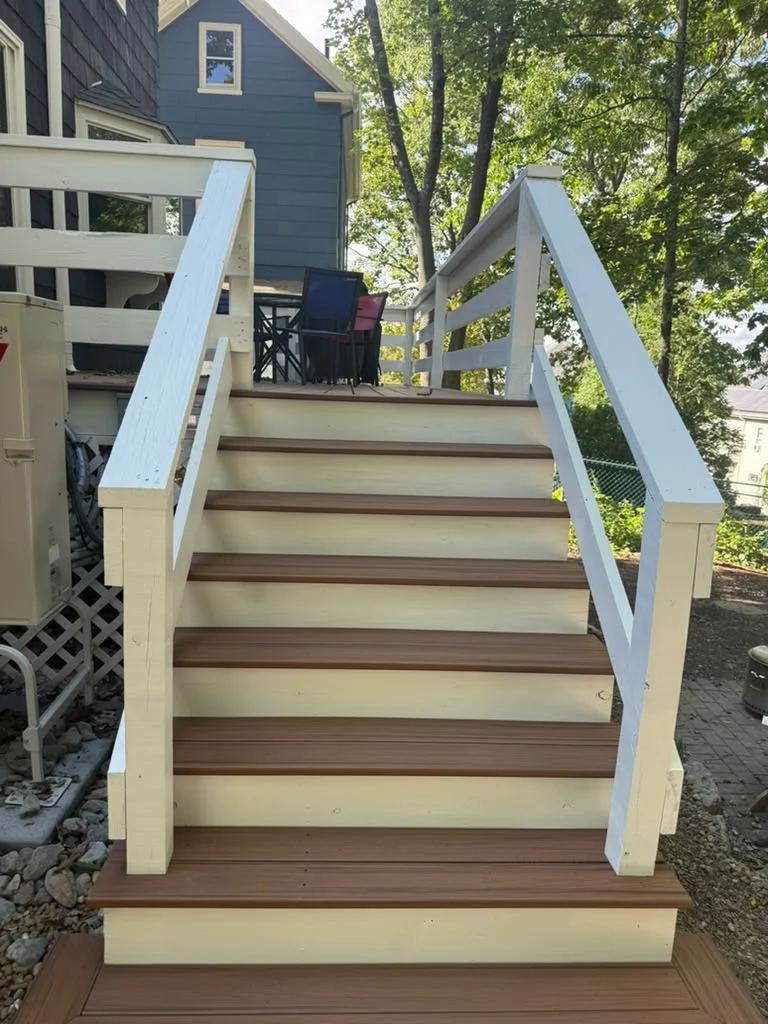
While DIY exterior painting preparation can be rewarding, hiring a professional team like ALP Home Services offers significant advantages. Our licensed and insured painters have the experience, equipment, and expertise to execute every preparation step to the highest standard, ensuring a flawless and durable finish. We understand the specific challenges of New England weather and the unique needs of Somerville homes.
From thorough power washing and meticulous repairs to expert priming and precise application, we manage the entire process. This not only saves you time and effort but also guarantees a professional result that protects and beautifies your home for years to come. Investing in professional exterior painting is an investment in your home’s longevity and curb appeal. Learn more about the benefits of professional exterior painting.
FAQ
Common questions about exterior painting and preparation from homeowners in Somerville and nearby Massachusetts communities.
How long does exterior paint take to dry?
Exterior paint typically becomes dry to the touch within 1-4 hours, but recoat times can vary from 4-24 hours depending on the specific product, temperature, and humidity. Always check the manufacturer’s recommendations on the paint can for precise drying times.
How long should exterior paint dry before rain?
Most exterior paints require at least 6-8 hours of dry time before they can withstand rain without washing off or streaking. For best results and optimal durability, aim for at least 24 hours of dry, clear weather after application, especially with latex paints.
How long does exterior paint typically last?
With proper surface preparation and high-quality paint, exterior paint can last anywhere from 5 to 10 years, and sometimes even longer. Factors like climate, UV exposure, paint quality, and initial surface prep all play a significant role in its lifespan.
How long does exterior paint take to cure?
While exterior paint may be dry to the touch and recoatable in hours, it can take anywhere from 14 to 30 days to fully cure and achieve its maximum hardness and durability. During this curing period, it’s best to avoid harsh cleaning or heavy abrasion on the newly painted surfaces.
Why is proper surface cleaning crucial for exterior painting in Somerville?
Proper surface cleaning is crucial because it removes dirt, grime, mildew, and loose particles that prevent new paint from adhering correctly. In Somerville’s climate, moisture can lead to mildew, and thorough cleaning ensures the new paint bonds directly to a clean, stable surface, extending its lifespan and preventing premature failure.
What common repairs are necessary before painting an older home’s exterior?
Common repairs for older homes before exterior painting include replacing rotten or damaged wood siding and trim, scraping and sanding loose or peeling paint, filling cracks and holes with exterior-grade caulk or wood filler, and addressing any moisture issues. These steps ensure a smooth surface and prevent future paint failures.
Explore Our Services
- Professional Exterior Painting Services
- Finish Carpentry for Exterior Trim Repairs
- View Our Recent Home Improvement Projects
- Your Checklist for a Successful Home Improvement Project
Ready for a Flawless Exterior Paint Job in Somerville?
Achieving a beautiful and durable exterior paint finish starts with meticulous preparation. For comprehensive exterior painting preparation in Somerville, trust ALP Home Services. Our licensed and insured team is dedicated to delivering superior results that enhance your home’s beauty and provide lasting protection.
Contact us today for a no-cost estimate and let us handle all aspects of your exterior painting project, from expert preparation to the final brushstroke.
Prefer to dial directly? +1 (866) 254-3597