
Blog
LVP vs Engineered Hardwood for Massachusetts Rentals: A Landlord’s Honest Comparison
Choosing the right flooring for your Massachusetts rental property, especially in high-demand areas like Cambridge, Somerville, or near BU/Tufts/MIT, is a critical decision. It impacts tenant satisfaction, maintenance costs, and even your property’s long-term value. When comparing LVP vs engineered hardwood for rental units, landlords need to weigh durability, water resistance, replacement costs, and potential rent premiums.
For Massachusetts rentals, LVP (Luxury Vinyl Plank) often wins on durability, water resistance, and replacement cost, making it ideal for high-turnover units, basements, and units with in-unit laundry. Engineered hardwood, while offering a higher rent premium and resale value, is generally better suited for owner-occupied or luxury units due to its susceptibility to water damage and higher maintenance. Solid hardwood is typically not recommended for most rental properties.
LVP vs Engineered Hardwood for Rental: Key Considerations
When evaluating LVP vs engineered hardwood for rental properties, several factors come into play, each with significant implications for your investment. Understanding these distinctions will help you make an informed choice that aligns with your property’s specific demands and your financial goals. We’ll explore how these two popular flooring options stack up in critical areas for landlords.
Tenant Turnover Damage and Longevity
Rental properties experience significant wear and tear, especially in high-turnover units. Flooring installation for Cambridge rentals needs to withstand frequent moves, spills, and general tenant activity. LVP is engineered for extreme durability, often handling 5+ tenant cycles with minimal visible damage. Its wear layer, typically 12-20 mil (0.3-0.5 mm) thick, provides excellent resistance to scratches, dents, and scuffs. This makes it a robust choice for properties with frequent tenant changes, such as student housing or short-term rentals.
Engineered hardwood, while durable, is more susceptible to surface damage from heavy furniture, pet claws, and dropped objects. It typically handles 2-3 tenant cycles before showing significant signs of wear that might require refinishing. While a quality engineered floor can last 20-30 years, its surface layer is not as forgiving as LVP in high-traffic, high-impact rental environments.
Water Resistance and Moisture Concerns
Water damage is a landlord’s nightmare, particularly in older Massachusetts homes prone to plumbing issues or in units with in-unit washer/dryers. LVP is a game-changer in this regard; most modern LVP products are 100% waterproof. This means spills, minor leaks, or even a washing machine overflow won’t cause the material to swell, warp, or buckle. It’s an ideal choice for kitchens, bathrooms, basements, and ground-floor units where moisture is a constant concern.
Engineered hardwood, while more stable than solid hardwood, is not waterproof. If standing water sits on its surface for an extended period, the wood veneer can swell, delaminate, or warp. This can lead to costly repairs or full-room replacement. Landlords must consider the risk of tenant negligence or unforeseen incidents when choosing engineered hardwood in areas prone to moisture.
Replacement Granularity and Repair Costs
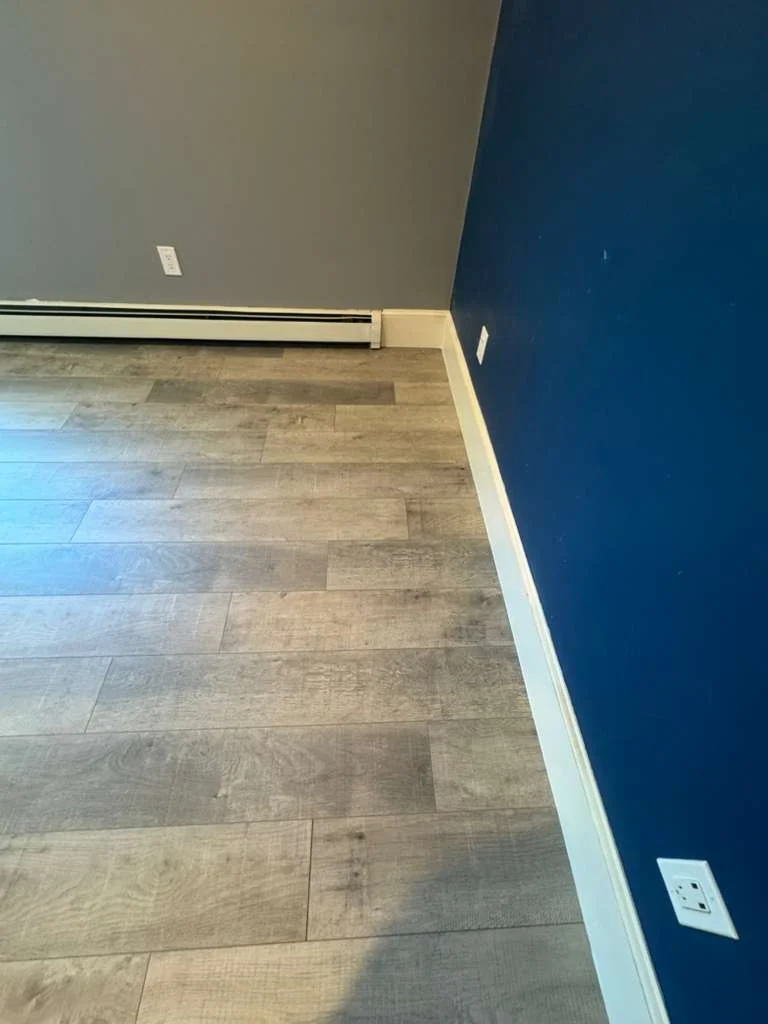
Ease and cost of repair are crucial for rental property owners. When a section of flooring gets damaged, the ability to replace only the affected area can save significant time and money. With LVP, individual planks can often be replaced without disturbing the entire floor. This “plank-by-plank” replacement significantly reduces repair costs and minimizes downtime between tenants. A single damaged plank can be swapped out, making repairs quick and efficient.
Engineered hardwood typically requires a full-room sand-and-finish or, in cases of severe damage, a full-room replacement. While some minor scratches can be buffed out, deeper dents or water damage often necessitate more extensive and costly interventions. This can lead to longer vacancies and higher repair bills, impacting your rental income.
*Pricing varies based on project scope, materials selected, and site conditions. Contact us for a personalized estimate.
Rent Premium and Resale Value
In competitive markets like Cambridge and Somerville, flooring can influence both rental rates and property resale value. Hardwood, whether solid or engineered, traditionally commands a higher aesthetic appeal and can add a 5-10%* premium to listed rent prices in these desirable areas, according to a recent NAR survey on rental property improvements. It’s often perceived as a luxury finish, attracting tenants willing to pay more. For owner-occupied units or high-end luxury rentals, this rent premium can justify the higher initial investment and maintenance.
LVP, while increasingly sophisticated in appearance, typically adds a smaller rent premium, usually around 2-3%*. Its main selling points are practicality and modern aesthetics rather than traditional luxury. However, its durability and low maintenance can be attractive to a different segment of tenants and can contribute to a faster rental turnover.
*Pricing varies based on project scope, materials selected, and site conditions. Contact us for a personalized estimate.
Initial Cost and Installation
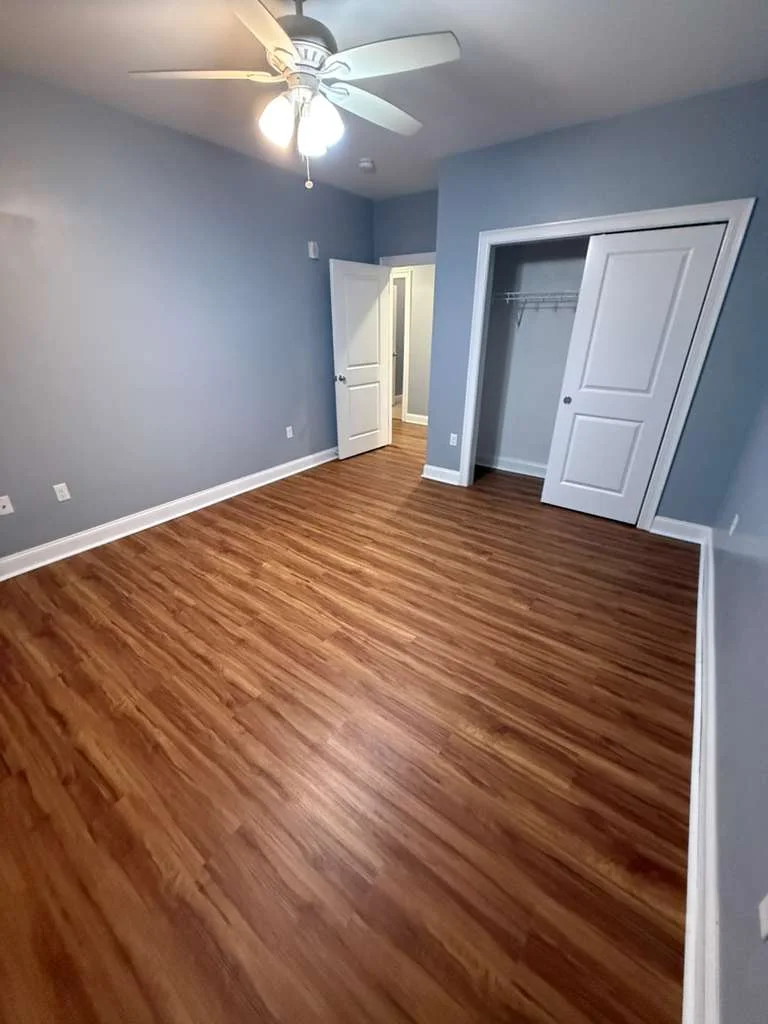
The upfront investment is a significant factor for any landlord. LVP is generally more budget-friendly. Installed costs for LVP typically range from $3-5 per square foot*, making it an attractive option for landlords managing multiple units or working with tighter budgets. Installation is often quicker and less labor-intensive, further reducing costs.
Engineered hardwood is a more premium product, with installed costs ranging from $7-12 per square foot*. This higher price reflects the natural wood veneer and more complex installation process. While it offers a luxurious feel, the initial investment is considerably higher, requiring a longer payback period through rent premiums.
*Pricing varies based on project scope, materials selected, and site conditions. Contact us for a personalized estimate.
Tax Depreciation for Rental Property
For landlords, understanding the tax implications of property improvements is essential. Both LVP and engineered hardwood, when installed in residential rental properties, qualify for depreciation over 27.5 years as part of the building’s structural components, according to IRS guidelines for residential rental property. This means you can deduct a portion of the flooring cost each year, reducing your taxable income. It’s advisable to consult with a tax professional to understand how these deductions specifically apply to your investment portfolio. The choice between LVP and engineered hardwood should also consider the overall depreciation strategy for your property.
Which Flooring is Right for Your Massachusetts Rental?
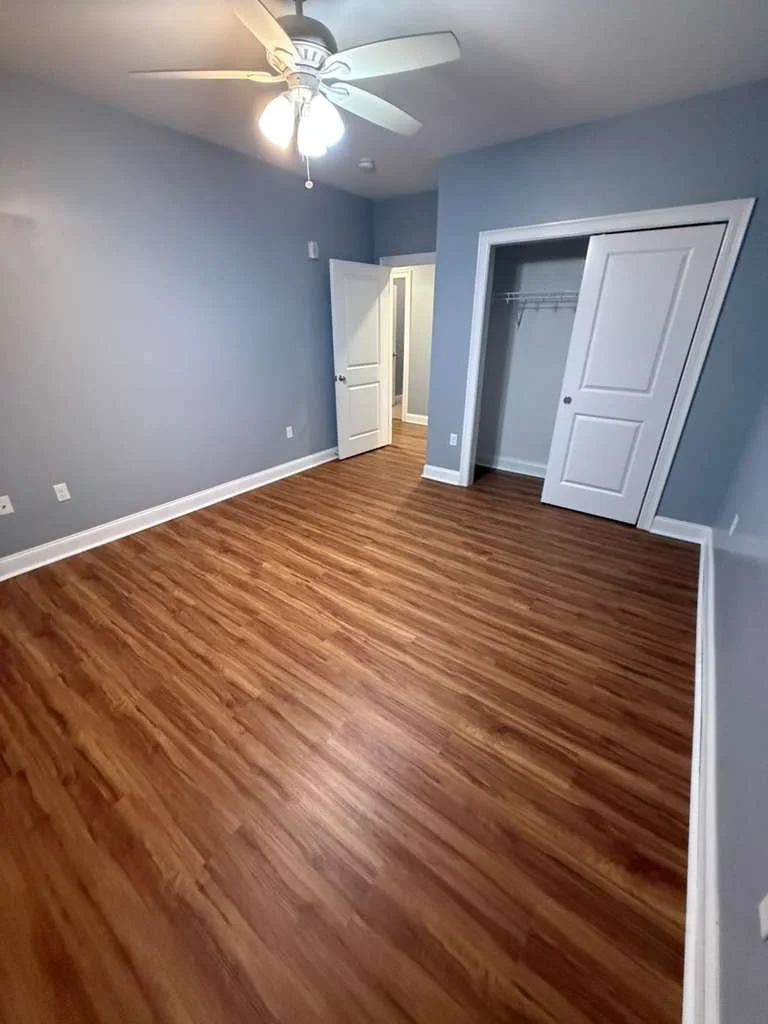
The choice between LVP and engineered hardwood ultimately depends on your specific rental strategy and property characteristics in Massachusetts.
- Choose LVP if: Your priority is extreme durability, 100% water resistance, low maintenance, and easy, cost-effective repairs. It’s ideal for high-traffic units, basements, and properties where tenant turnover is frequent or moisture is a concern.
- Choose Engineered Hardwood if: You’re targeting higher-end tenants, aiming for a significant rent premium, or managing an owner-occupied unit where aesthetics and traditional value are paramount. Be prepared for potentially higher maintenance and repair costs, especially in units with high tenant activity.
Regardless of your choice, investing in quality materials and professional installation is key to maximizing your return. Consider also scheduling an interior repaint between tenants to keep your rental property looking fresh and appealing.
FAQ
Common questions from landlords in Massachusetts regarding LVP and engineered hardwood for rental properties.
Which is better for high-traffic rental units: LVP or engineered hardwood?
LVP generally performs better in high-traffic rental units due to its superior durability, scratch resistance, and waterproof properties. It’s designed to withstand more wear and tear from frequent tenant turnover.
Does LVP or engineered hardwood add more value to a rental property?
Engineered hardwood typically adds more aesthetic value and can command a higher rent premium (5-10%*) and resale value in upscale markets. LVP offers excellent practicality and modern appeal, contributing to faster rentals and lower maintenance costs, with a smaller rent premium (2-3%*).
How does water resistance compare between LVP and engineered hardwood?
LVP is almost always 100% waterproof, making it ideal for areas prone to moisture like kitchens and bathrooms. Engineered hardwood is more stable than solid hardwood but is not waterproof and can swell or warp if exposed to standing water.
What are the typical installation costs for lvp vs engineered hardwood rental in Massachusetts?
Installed costs for LVP usually range from $3-5 per square foot*, while engineered hardwood typically costs $7-12 per square foot* installed. These are general ranges and can vary based on specific materials and project complexity.
*Pricing varies based on project scope, materials selected, and site conditions. Contact us for a personalized estimate.
Can individual planks of LVP or engineered hardwood be replaced?
Yes, individual LVP planks can often be replaced, simplifying repairs and reducing costs. Engineered hardwood typically requires more extensive repairs, often necessitating sanding and refinishing or replacing a larger section of the floor.
Is engineered hardwood a good choice for rental properties near Boston universities (BU/Tufts/MIT)?
For high-turnover student rentals, LVP is generally a more practical choice due to its durability and water resistance. Engineered hardwood might be suitable for luxury or owner-occupied units targeting a more stable, higher-income tenant base, where the aesthetic appeal and rent premium are prioritized.
Explore Our Services
Need Expert Flooring Installation for Your Massachusetts Rental?
Whether you’re leaning towards the robust practicality of LVP or the classic appeal of engineered hardwood for your rental property, our licensed and insured team is here to help. We provide professional flooring installation for Cambridge rentals and throughout the surrounding areas, ensuring your investment stands the test of time and tenant turnover. Contact us today for a personalized consultation and a detailed estimate.
Prefer to dial directly? +1 (866) 254-3597