
Blog
Engineered Hardwood vs Solid Hardwood for Boston-Area Condos
Choosing the right flooring for your Boston-area condo is a big decision, especially when it comes to hardwood. You’ve likely heard of both engineered hardwood and solid hardwood, but which one is truly best suited for the unique challenges of condominium living in Somerville, Cambridge, or Boston? The answer isn’t always as simple as personal preference.
This guide will walk you through the critical differences between engineered hardwood vs solid hardwood, focusing on the specific factors that impact condo owners. From concrete slabs and HOA rules to humidity swings, we’ll help you understand why one option often stands out as the superior choice for your urban dwelling.
Engineered Hardwood vs Solid Hardwood: The Concrete Slab Reality of Boston Condos
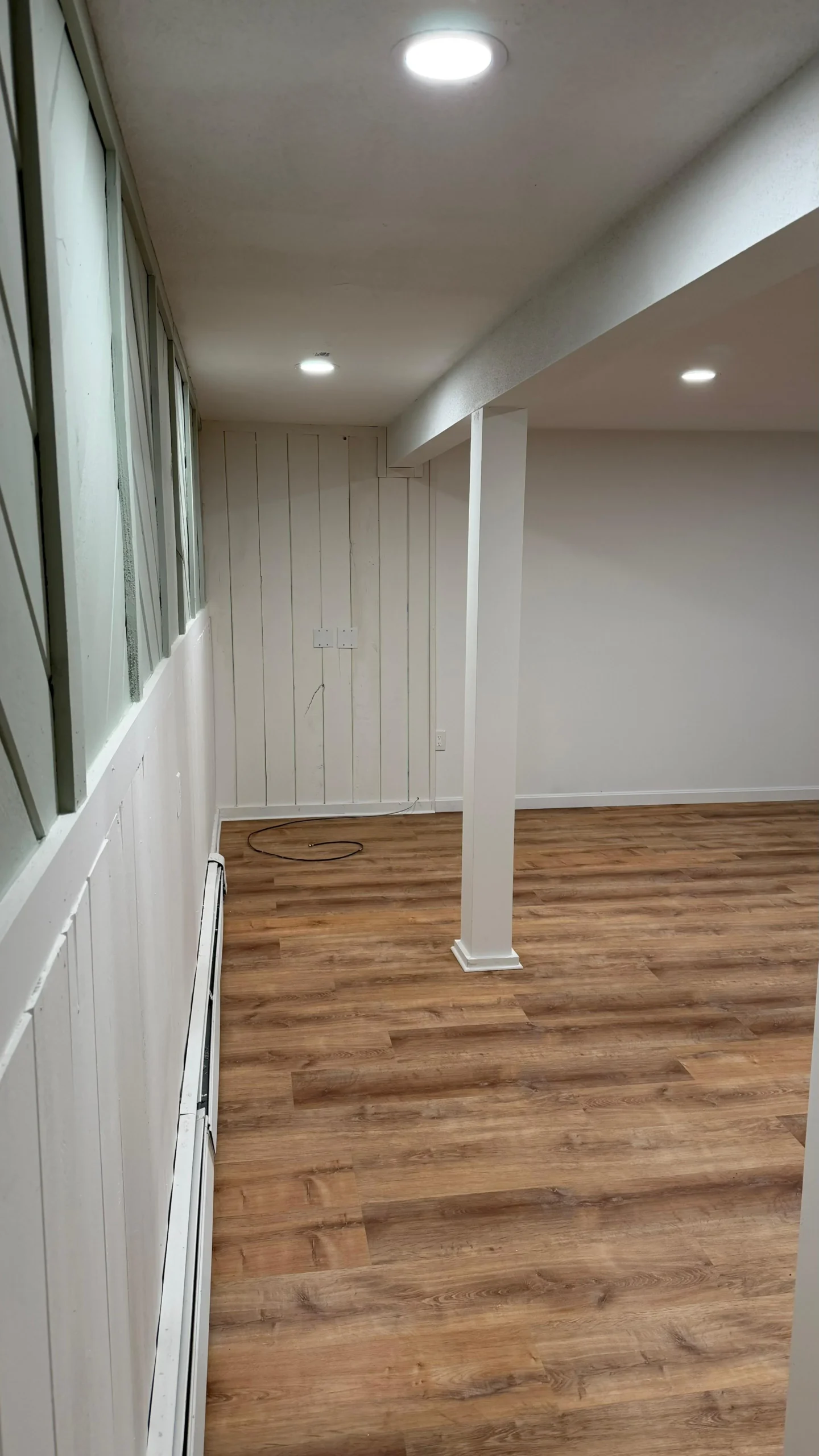
One of the biggest distinctions between engineered and solid hardwood, especially for Boston-area condos, lies beneath the surface: the subfloor. Most modern condominium buildings, particularly those above the ground floor in Somerville, Cambridge, and Boston, are built with concrete slabs. This presents a significant challenge for traditional solid hardwood installation.
Solid hardwood floors are typically installed by nailing them directly into a wood subfloor. When you have a concrete slab, this isn’t possible. You would need to install a plywood subfloor over the concrete, which adds height, cost, and complexity, and may not even be permitted by your building’s HOA. Engineered hardwood, however, is designed for greater versatility. It can be installed as a floating floor, or more commonly, glued directly to a concrete slab, making it a far more practical solution for urban condos.
Navigating HOA Bylaws and Sound-Attenuation Requirements
Condominium living comes with a unique set of rules, and flooring is almost always a hot topic in HOA bylaws. Many Boston-area HOAs have strict requirements regarding noise transmission between units, often mandating specific sound-attenuation ratings for new flooring installations. These ratings are typically measured by an Impact Insulation Class (IIC) score, with many HOAs requiring an IIC of 50 or higher.
Solid hardwood, when nailed down, generally offers poor sound insulation. Achieving the required IIC rating often involves extensive and costly soundproofing measures. Engineered hardwood, on the other hand, is frequently installed with an underlayment, such as cork, which can significantly improve sound absorption and help meet strict HOA requirements. This makes engineered hardwood a much easier and more cost-effective option for compliance.
Always check your specific HOA’s flooring rules before making a decision. A reputable contractor specializing in flooring installation in Cambridge and the greater Boston area can help you understand and comply with these regulations.
Humidity Swings Inside High-Rise Condos: A Silent Destroyer of Solid Wood
Boston’s climate is notoriously temperamental, swinging from dry, frigid winters (exacerbated by forced-air HVAC systems) to humid, sticky summers. These dramatic shifts in ambient moisture levels are a major concern for hardwood floors, especially in high-rise condos where environmental controls can be tricky.
Solid hardwood is highly susceptible to moisture changes. In dry conditions, it can shrink, leading to unsightly gaps between boards. In humid conditions, it can absorb moisture, causing the wood to expand, cup, or buckle. These movements can damage the floor and even compromise its structural integrity over time.
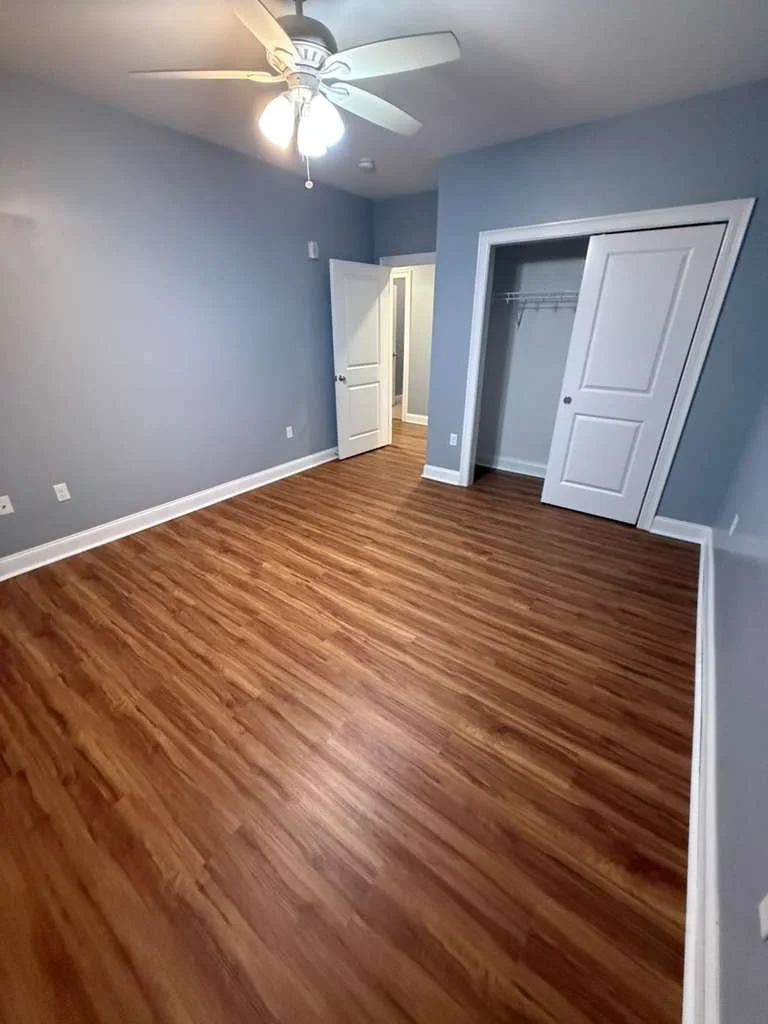
Engineered hardwood is specifically designed to mitigate these issues. Its multi-ply core, typically made of cross-laminated plywood, provides exceptional stability and resistance to moisture-induced expansion and contraction. This layered construction allows engineered wood to perform far better in environments with fluctuating humidity, making it a more resilient choice for your Boston condo.
Engineered Construction: Plywood Cross-Ply vs. HDF Core – What Matters for Stability
Not all engineered hardwood is created equal. The core material plays a crucial role in its stability, durability, and overall performance. The two most common core types are plywood cross-ply and High-Density Fiberboard (HDF).
- Plywood Cross-Ply Core: This is generally considered the superior option. It consists of multiple layers of plywood glued together with the grain running in opposite directions. This cross-ply construction provides exceptional dimensional stability, making the floor highly resistant to warping, cupping, and gapping caused by changes in temperature and humidity. It also offers better screw holding power, which can be beneficial if repairs are ever needed.
- HDF Core: HDF cores are made from compressed wood fibers. While they offer good stability, they are generally less resistant to moisture than plywood cores and can swell if exposed to significant water. HDF cores are often found in more budget-friendly engineered products.
For a Boston-area condo, especially given the climate and potential for moisture, a high-quality engineered hardwood with a plywood cross-ply core is highly recommended for long-term stability and peace of mind.
Wear Layer Thickness: Ensuring Longevity and Refinishing Potential
The wear layer is the top layer of real hardwood veneer on an engineered floor. This is the part that you see and walk on, and it’s also the part that can be sanded and refinished. The thickness of this wear layer directly correlates with the floor’s lifespan and its ability to be renewed.
- 2mm Minimum: A wear layer of at least 2mm is generally considered the minimum to allow for one light refinishing in its lifetime. This can extend the life of your floor if it experiences minor scratches or wear.
- 4mm+ for 2-3 Refinishes: For greater longevity and the ability to refinish your floors multiple times (typically 2-3 times), look for an engineered hardwood with a wear layer of 4mm or thicker. This provides more material to work with during sanding, making it comparable to the refinishing potential of some solid hardwoods.
Investing in a thicker wear layer can significantly increase the value and lifespan of your engineered hardwood floor, making it a wise choice for your condo.
When Solid Hardwood Still Works in a Condo
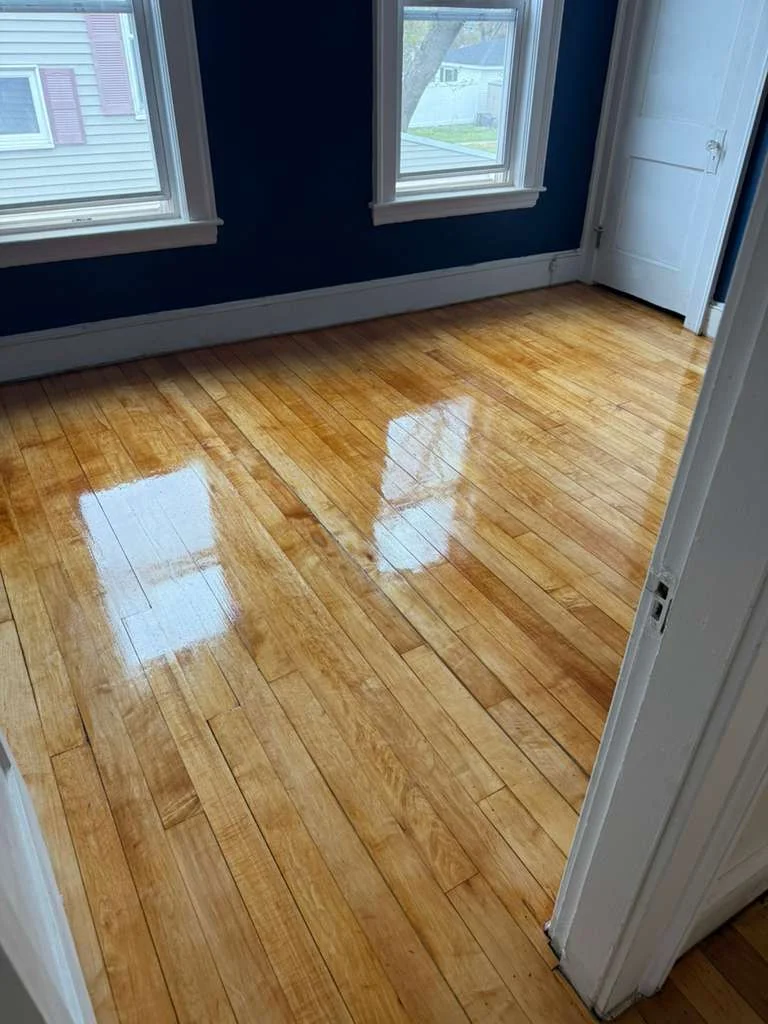
While engineered hardwood is often the preferred choice for most Boston-area condos, there are specific scenarios where solid hardwood can still be a viable and beautiful option.
- Ground-Floor Units with Wood Subfloors: If your condo is on the ground floor and has a traditional wood subfloor (not concrete), then solid hardwood can be nailed down as usual. These units often experience fewer dramatic humidity swings than higher floors.
- Brownstone Owner-Occupied Units: Many historic Boston brownstones have original wood subfloors and a more stable environment, especially if the owner occupies multiple floors. In these cases, solid hardwood can maintain the historic aesthetic and perform well. However, it’s still crucial to consider sound transmission to downstairs neighbors and check HOA rules.
- Specific Architectural Styles: For certain very specific, high-end architectural designs where a consistent, thick solid wood profile is essential, exceptions might be made. However, this usually involves custom installation methods and careful consideration of all the factors mentioned above.
Even in these cases, a thorough assessment by a licensed and insured flooring professional is essential to ensure compliance with building codes and HOA regulations, and to prevent future issues.
Considering Other Condo Renovations?
Replacing your flooring is often part of a larger renovation project. When upgrading your condo, consider how other services can enhance your space. For example, new trim and baseboard installation can perfectly frame your new hardwood floors, providing a polished and cohesive look. Additionally, a fresh coat of condo interior painting can completely transform the ambiance of your home, making your new floors truly pop. Coordinating these services ensures a seamless and stunning outcome for your Boston-area condo.
FAQ
Common questions from condo owners in Somerville, Cambridge, and Boston about engineered hardwood vs solid hardwood.
Which is better for a Boston condo, engineered or solid hardwood?
Engineered hardwood is generally better for Boston-area condos due to concrete subfloors, HOA sound requirements, and the region’s humidity fluctuations. Its layered construction offers greater stability and versatility in installation methods.
Can solid hardwood be installed over concrete in a condo?
Directly nailing solid hardwood to concrete is not possible. It would require installing a plywood subfloor over the concrete, which adds height and cost, and may not be permitted by your HOA. Engineered hardwood can be glued directly or floated.
Do HOAs in Boston have rules about flooring?
Yes, many HOAs in Boston, Cambridge, and Somerville have strict bylaws regarding flooring, particularly concerning sound transmission (IIC ratings). Engineered hardwood with an underlayment often makes it easier to meet these requirements.
How does humidity affect engineered vs solid hardwood in a condo?
Solid hardwood is highly susceptible to humidity swings, leading to gapping or cupping. Engineered hardwood, with its cross-ply core, is far more dimensionally stable and resistant to these moisture-induced movements, making it ideal for Boston’s climate.
What wear layer thickness should I look for in engineered hardwood?
A minimum of 2mm wear layer allows for one light refinishing. For 2-3 refinishes and extended longevity, choose engineered hardwood with a wear layer of 4mm or thicker.
When would solid hardwood be a good choice for a condo?
Solid hardwood might work for ground-floor units with existing wood subfloors or in owner-occupied brownstones with stable environments, provided HOA rules and sound transmission are carefully managed.
Explore Our Flooring Services
Ready to Upgrade Your Boston Condo with Engineered Hardwood?
If you’re a condo owner in Somerville, Cambridge, or Boston and are considering engineered vs solid hardwood condo flooring, contact us today. Our licensed and insured team can provide an expert consultation, help you navigate HOA requirements, and ensure a beautiful, lasting installation that performs perfectly in your urban home.
Prefer to dial directly? +1 (866) 254-3597